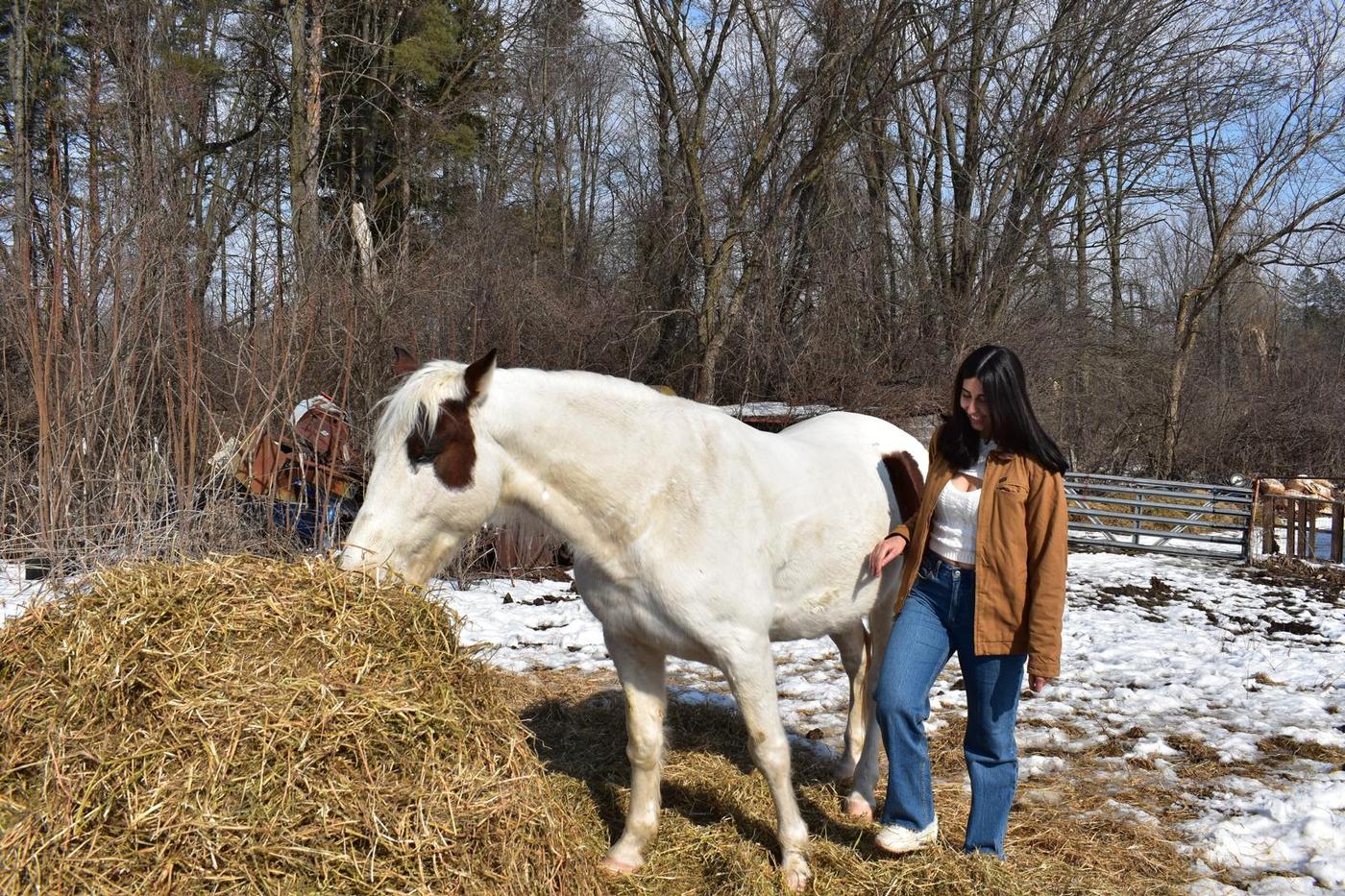
Anxiety does not always arrive as panic. Sometimes it is a low hum: tight shoulders, shallow breathing, the sense that your mind is one browser tab away from overload. Equine-assisted activities — often loosely called “horse therapy” when they are offered alongside licensed care — are not a magic cure. They are, for many people, an unusually honest mirror.
What the research tends to show
Studies on human–horse interaction repeatedly point in the same direction: time around horses can lower cortisol, steady heart rate variability, and invite what researchers describe as improved emotional regulation. Horses are prey animals; they notice tension in a human’s posture long before a word is spoken. That feedback loop forces a kind of embodied mindfulness that sitting in a chair sometimes cannot replicate.
Five reasons guests report relief
First, horses demand presence. If you are mentally three meetings ahead, the horse feels it. Second, touch — brushing, steadying a hand on a warm shoulder — can downshift the nervous system. Third, rhythmic movement while riding can feel regulating in the same way a long walk does, only amplified. Fourth, success with a large animal builds a quiet confidence that transfers to other domains. Fifth, the setting itself — open air, distance from screens — is therapeutic even before the horse factors in.
Who it is for (and who should seek clinical care)
Barn programs can complement therapy; they do not replace diagnosis or treatment from a licensed mental-health professional. If you are in crisis, reach for clinical resources first. If you are stable and curious, a structured horse hangout or guided ground session can be a grounded next step.
Connection is not always verbal. Sometimes it is the moment your breathing falls in step with a horse’s without anyone naming it.
At Sage & Saddle we keep groups small and pace unhurried, so nervous systems have room to settle. The science is part of the story — the rest is what you feel when the barn goes quiet enough to hear it.
Sage & Saddle
The Journal